Did You Know?

Let us ask for the grace to be able to transform our families, in the reality of our daily life, a place where God is always present.
-Archbishop Gomez
Did You Know? September 2026
September 5-6 || Back to school safety tips
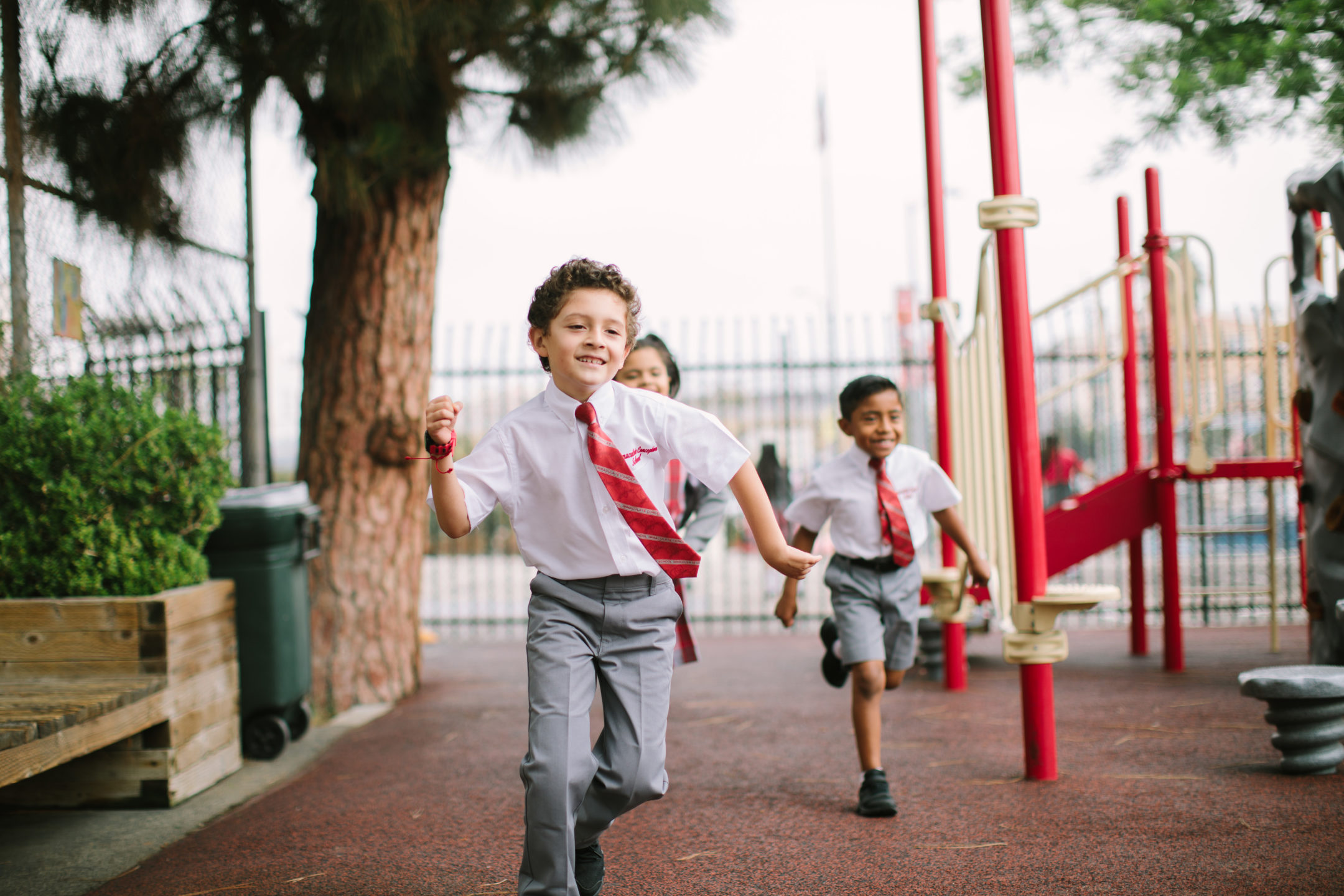
As your children head back to school, parents should begin laying the groundwork (if they haven’t already) for open communication about the school’s safety guidelines and policies. Talk to children about safe adults and keep lines of communication open about who they see and interact with, how they feel about their school days, and what they are learning. Remind children regularly that they should find a safe adult if they ever feel unsafe or uncomfortable in any situation. For more tips please visit https://www.missingkids.org/education/back-to-school.
Consejos de seguridad para el regreso a la escuela
Ahora que sus hijos vuelven a clases, los padres deben empezar a sentar las bases (si aún no lo han hecho) para mantener una comunicación abierta sobre las directrices y políticas de seguridad de su escuela. Hable con los niños sobre los adultos seguros y mantenga abiertas las líneas de comunicación sobre con quiénes se relacionan, cómo se sientan durante el día escolar y qué están aprendiendo. Recuérdeles regularmente que deben buscar a un adulto seguro si se sienten inseguros o incómodos en cualquier situación. Para más consejos visite https://www.missingkids.org/education/back-to-school#espanol
September 12-13 || What is labor trafficking?
Labor trafficking exists in many areas of life and occurs when people are not paid a just wage for their work or when their working conditions are abusive or unsafe. People who work in nail salons, massage parlors, domestic servitude positions and the agricultural industry are particularly vulnerable to labor trafficking. Children are also at risk for labor trafficking, both here and around the world. Some labor trafficking even leads to sex trafficking, especially for young girls and boys. For more information about labor trafficking, read the VIRTUS® article “Human Trafficking 102 — How can human trafficking exist here?” at lacatholics.org/did-you-know.
Read the VIRTUS® article “Human Trafficking 102 — How can human trafficking exist here?” here.
¿Qué es la trata con fines de explotación laboral?
La explotación laboral existe en muchos aspectos de la vida y se produce cuando a las personas no se les paga un salario justo por su trabajo o cuando sus condiciones laborales son abusivas o peligrosas. Las personas que trabajan en salones de uñas, centros de masajes, en el servicio doméstico y en el sector agrícola son especialmente vulnerables a la trata con fines de explotación laboral. Los niños y niñas también corren el riesgo de ser víctimas de la trata con fines de explotación laboral, tanto aquí como en el resto del mundo. En algunos casos, esto da lugar a la trata con fines sexuales, especialmente en el caso de niñas y niños menores. Para más información lea el artículo de VIRTUS® “Trata de personas 102 — ¿Cómo es posible que exista la trata de personas aquí?” (Human Trafficking 102 — How can human trafficking exist here?) en lacatholics.org/did-you-know.
September 19-20 || Sextortion and teens
Sextortion happens when a predator threatens to share sexual images of another person to manipulate or harm that person. The American Academy of Pediatrics has classified sextortion as a form of image-based sexual abuse. Children and teens are particularly vulnerable, especially teens who have shared or been pressured into sharing explicit images. Predators will sometimes befriend or build a romantic relationship with a victim online, share and request explicit images, and then use those images to demand money or other favors. More information is available at https://www.healthychildren.org/English/tips-tools/ask-the-pediatrician/Pages/what-do-teens-need-to-know-about-online-predators-and-sextortion-scammers.aspx.
La sextorsión y los adolescentes
La sextorsión es una forma de explotación sexual en la que una persona amenaza o chantajea a un menor, la mayoría de las veces con la posibilidad de que la persona demandante haga públicas las imágenes sexuales o de desnudos con el fin de manipular o causar daño al víctima. La Academia Americana de Pediatría ha clasificado la sextorsión como una forma de abuso sexual basado en imágenes. Muchas veces, los depredadores crean una relación de amistad o sentimental con la víctima por el Internet, comparten y solicitan imágenes explícitas y, a continuación, utilizan esas imágenes para exigir dinero u otros favores de la víctima. Para más información, visita https://www.healthychildren.org/spanish/tips-tools/ask-the-pediatrician/paginas/what-do-teens-need-to-know-about-online-predators-and-sextortion-scammers.aspx.
September 26-27 || Mega events and trafficking prevention
While there is mixed research surrounding major international events like the World Cup and Olympics and an increase in human trafficking, these events can attract predators and those who seek to harm children and the vulnerable. Preparation for these massive events can serve as an opportunity to spotlight trafficking and raise awareness for prevention and protection of the vulnerable. Hotlines and response programs often increase the number of reported crimes and victim disclosures, which helps law enforcement target known trafficking areas or groups. For more information, read the VIRTUS® article “How Major Events Highlight the Need to Protect Children” at lacatholics.org/did-you-know.
Read the VIRTUS® article “How Major Events Highlight the Need to Protect Children” here.
Grandes eventos y prevención del tráfico de personas
Aunque los estudios sobre la relación entre grandes eventos internacionales, como el Mundial de Fútbol y los Juegos Olímpicos, y el aumento de la trata de personas ofrecen resultados contradictorios, estos eventos pueden atraer a depredadores y a quienes buscan hacer daño a los niños y a las personas vulnerables. La preparación para estos eventos masivos puede servir como una oportunidad para crear conciencia sobre la trata de personas y la prevención y protección de las personas más vulnerables. Las líneas de ayuda y los programas de respuesta suelen aumentar el número de delitos denunciados y las denuncias de víctimas, lo que ayuda a las fuerzas del orden a identificar áreas o grupos conocidos de trata. Para más información lea el artículo de VIRTUS® “Cómo los grandes eventos llaman la atención sobre la necesidad de proteger a los niños” (How Major Events Highlight the Need to Protect Children) en lacatholics.org/did-you-know.
“Did You Know?” Archives
To review all past “Did You Know?” posts, visit our archives page.